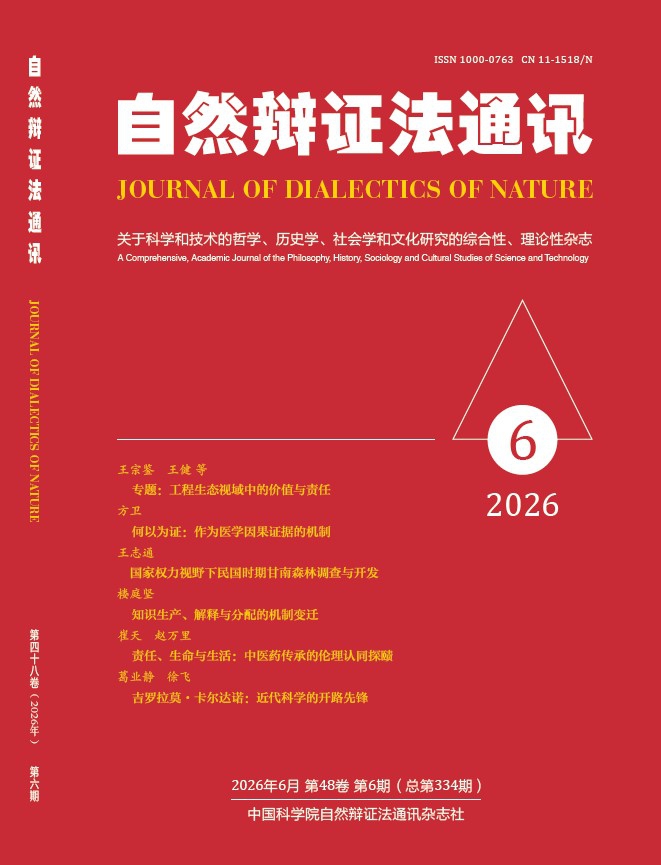
Published Online: 2026.5.10
DOI: 10.15994/j.1000-0763.2026.06.010 CSTR: 32281.14.jdn.2026.06.010
Abstract: With the intelligent development of society in depth, the application of medical artificial intelligence (AI) has become a trend, and gradually gives rise to paternalistic tendencies. Although these participants, the AI systems, may reshape the roles and responsibilities of physicians and patients and they are often justified in domains such as data management and decision support, the hidden ethical risks should not be overlooked. This paternalism of medical AI can constrain both patient and physician autonomy, undermine the realization of the principle of medical beneficence, compromise the reliability and fairness of medical decision-making, and addressing these challenges has therefore become increasingly urgent. In response, patient empowerment promotes meaningful participation of patients in decision-making. At the same time, a moderated form of physician authority remains necessary to compensate for the limitations of machine decision-making and continued technical refinement of medical AI is the key to play its beneficial function. In addition, a more balanced and collaborative relationship among physicians, patients, and medical AI systems is needed to mitigate the ethical dilemmas associated with the paternalism in medical AI.
Key Words: Medical artificial intelligence; Paternalism; Decision-making; Ethics
You can view the entire paper at:
https://jdn.ucas.ac.cn/public/uploads/files/6a052a72694f4.pdf
- Contact Us
- Address: No.19A Yuquan Road, Beijing, 100049, China
- Phone: +86-10-88256007
- Email:jdn@ucas.ac.cn