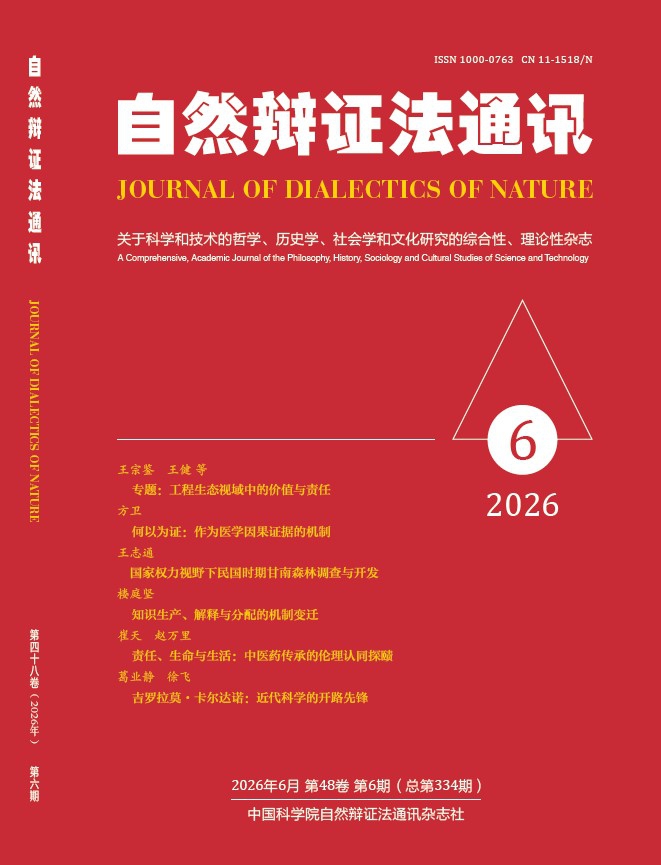
Published Online: 2026.5.10
DOI: 10.15994/j.1000-0763.2026.06.008 CSTR: 32281.14.jdn.2026.06.008
Abstract: Since modern times, coniferous timber produced in Northeast China had excellent quality and was widely sold in large quantities in the markets of North and East China. However, after the September 18th Incident, the fall of the Northeast China, and the domestic demand for coniferous timber had to seek new sources. Through field investigations conducted by some forestry experts using modern forestry knowledge and technology, the Gannan region was identified as a natural producing area of coniferous forests in northwest China. Its forests were extensive and their economic value was great. Driven by profits, timber merchants cut down a lot of forests, making the cutting area gradually expand into remote places with poor transportation, while large-scale timber output formed a seasonal pattern of movement. Subsequently, the Ministry of Agriculture and Forestry, the Bank of China and the provincial government of Gansu established forestry agencies in Gannan, and implemented measures such as cutting permits, diameter-grade selective logging, and small timber embargoes according to local conditions, which effectively slowed the rate of forest destruction. State power gradually penetrated into the frontier and strengthened the effective control and scientific management of the forest resources. As a new order, forestry shaped the landscape of the frontier and promoted the economic and social relations between the frontier and inland.
Key Words: Forest resources; Gannan region; State power; Frontier construction; Forest landscape
You can view the entire paper at:
https://jdn.ucas.ac.cn/public/uploads/files/6a068bc3b6fba.pdf
- Contact Us
- Address: No.19A Yuquan Road, Beijing, 100049, China
- Phone: +86-10-88256007
- Email:jdn@ucas.ac.cn